
Introduction
Wearable Devices are changing how people monitor health, manage fitness goals, communicate, receive notifications, and interact with digital technology. These compact gadgets are designed to be worn on the body and can collect useful information while supporting everyday activities.
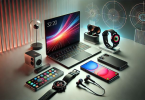
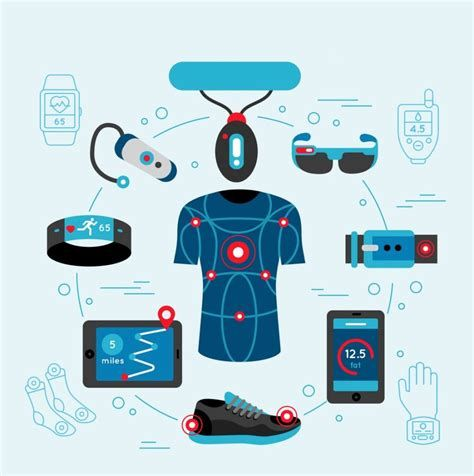
Smartwatches, fitness trackers, smart rings, wireless earbuds, smart glasses, and health-monitoring devices are some of the most common examples. They connect with smartphones, applications, and online services to provide real-time updates and personalized information.
Wearable technology is useful for students, professionals, athletes, travellers, older adults, and regular users. However, people should consider comfort, battery life, accuracy, privacy, compatibility, and price before purchasing a wearable device.
What Are Wearable Devices?
Wearable devices are electronic products designed to be worn on the wrist, finger, head, clothing, or another part of the body. They usually include sensors, wireless connectivity, software, and data-tracking features.
These gadgets can measure movement, heart rate, sleep patterns, exercise activity, and other general wellness information. Some wearable devices also allow users to answer calls, read messages, make payments, use navigation, and control music.
Most wearables connect to a mobile application through Bluetooth or Wi-Fi. The application stores information, displays reports, and allows users to change device settings.
The purpose of wearable technology is to provide useful digital features without requiring users to hold or operate a larger device continuously.
Smartwatches
Smartwatches are among the most popular wearable devices. They combine traditional timekeeping with communication, fitness, productivity, and entertainment features.
A smartwatch can display calls, messages, emails, calendar reminders, weather updates, and app notifications. Many models also support music controls, digital payments, GPS navigation, and voice assistants.
Fitness-related features may include step tracking, exercise modes, heart-rate monitoring, sleep reports, and general activity reminders.
Smartwatches are available in different designs and price ranges. Some models focus on style and everyday use, while others are designed for sports, outdoor activities, or professional fitness tracking.
Fitness Trackers
Fitness trackers are lightweight wearable devices designed mainly for activity and wellness monitoring. They are usually more affordable and may offer longer battery life than full smartwatches.
These gadgets can track steps, distance, exercise, active minutes, sleep, and general calorie estimates. Some models also include heart-rate sensors, blood oxygen estimates, GPS, and workout detection.
Fitness trackers can motivate users by showing daily progress and encouraging regular movement. They may also send reminders when a person has remained inactive for a long time.
However, the information provided by a fitness tracker should be treated as a general estimate. Results can vary depending on sensor quality, device placement, movement, and software.
Smart Rings
Smart rings are compact wearable devices designed for users who prefer a smaller alternative to a smartwatch or fitness band.
They are worn on the finger and can monitor sleep, movement, heart rate, recovery, and general wellness patterns. Since many smart rings do not include a display, users usually view their information through a connected smartphone application.
The small design can make smart rings comfortable for sleep tracking and daily wear. They may also offer longer battery life than some display-based wearable devices.
Before buying a smart ring, users should check sizing, comfort, subscription charges, application compatibility, battery life, and water resistance.
Wireless Earbuds as Wearable Technology
Wireless earbuds are commonly used for music and calls, but they are also becoming more advanced wearable devices.
Modern earbuds may include active noise cancellation, voice assistants, touch controls, motion sensors, and automatic device switching. Some products can also detect when they are being worn and pause audio when removed.
Improved microphones make wireless earbuds useful for online meetings, classes, business calls, and content creation.
Comfort is especially important because poorly fitted earbuds can cause discomfort during long listening sessions. Buyers should also compare battery performance, sound quality, call quality, charging cases, and water resistance.
Smart Glasses
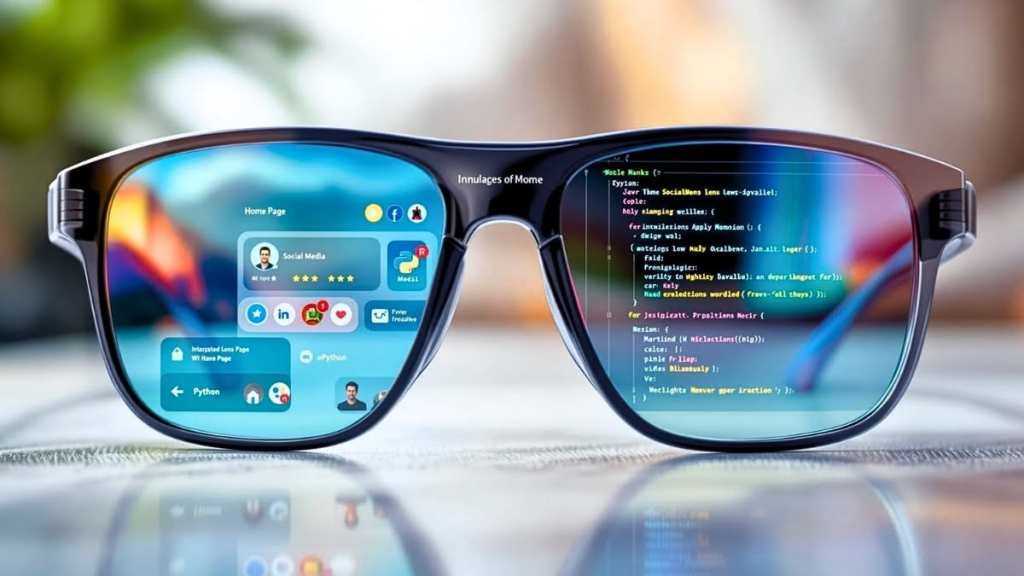
Smart glasses combine traditional eyewear with digital features. Depending on the model, they may support audio, cameras, notifications, navigation, voice controls, or augmented reality.
Some smart glasses allow users to listen to music or answer calls without wearing earbuds. Others can capture photos or videos from the user’s point of view.
Advanced augmented reality glasses can display digital information over the real-world environment. These devices may support education, professional training, repair work, shopping, navigation, and entertainment.
However, smart glasses still face challenges related to cost, battery life, comfort, privacy, and public acceptance.
Health-Monitoring Wearables
Health-monitoring wearables are designed to collect general information about physical activity and body signals. These devices may be worn on the wrist, finger, chest, skin, or clothing.
Some wearables can monitor heart rate, sleep patterns, breathing, exercise intensity, and daily movement. Others may support specific health-related observations under professional guidance.
These tools can help users become more aware of their habits and identify changes in their normal patterns.
Wearable health data should not be used as a replacement for professional medical advice. Sensor readings may be affected by movement, skin contact, device position, and software limitations.
Wearable Devices for Fitness and Sports
Athletes and fitness enthusiasts use wearable devices to measure workouts and monitor progress.
Sports watches may include running, cycling, swimming, hiking, strength training, and indoor exercise modes. GPS-enabled devices can track distance, speed, route, and pace during outdoor activities.
Some wearables provide recovery estimates, training load information, and performance summaries. These features can help users organize their exercise routines more effectively.
However, people should avoid becoming completely dependent on numbers. Rest, comfort, safe exercise habits, and professional guidance remain important.
Wearable Devices for Sleep Tracking
Sleep tracking is one of the most popular features in wearable technology. Devices may estimate sleep duration, movement, wake periods, and general sleep stages.
Smartwatches, fitness trackers, and smart rings collect information through sensors while the user sleeps. The connected application then presents a summary.
Sleep reports can help users identify patterns, such as irregular schedules or frequent interruptions. They may also encourage healthier bedtime routines.
However, wearable sleep tracking is not always perfectly accurate. Users should focus on long-term patterns rather than becoming concerned about a single night’s score.
Communication and Productivity Features
Wearable devices can improve productivity by providing quick access to important information.
Smartwatches allow users to view notifications, calendar events, reminders, calls, and messages without repeatedly checking a smartphone.
Professionals can use wearables to manage schedules, receive meeting alerts, control presentations, and respond to short messages.
Voice assistants may also allow users to create reminders, check information, and control connected devices through spoken commands.
These features can save time, but too many notifications may become distracting. Users should customize alerts and allow only important applications to send updates.
Contactless Payments
Many wearable devices support contactless digital payments. Users can connect a compatible payment card or wallet and complete transactions by placing the device near a payment terminal.
This feature is convenient for exercise, travel, shopping, and situations where carrying a phone or wallet may be difficult.
Wearable payments often require security measures such as a passcode, wrist detection, or biometric verification.
Users should enable device locking and immediately remove payment access if the wearable is lost or stolen.
Payment compatibility depends on the device, bank, region, and supported financial service.
GPS and Navigation
GPS is an important feature in sports watches, smartwatches, and outdoor wearable devices.
It allows users to track routes, distance, pace, and location without depending entirely on a smartphone. Hikers, runners, cyclists, and travellers can use GPS wearables for navigation and activity tracking.
Some devices provide route guidance, location sharing, emergency alerts, and offline maps.
GPS usage can consume significant battery power. Users planning long outdoor activities should check battery duration and download necessary maps before leaving.
Battery Life
Battery life varies greatly between wearable devices. Basic fitness trackers may last several days, while feature-rich smartwatches may require more frequent charging.
GPS, bright displays, continuous health monitoring, mobile connectivity, and frequent notifications can reduce battery performance.
Users should choose a device that matches their daily routine. A person who travels often may prefer longer battery life, while another user may accept frequent charging in exchange for advanced features.
Charging speed, charger type, and battery replacement options can also affect long-term convenience.
Comfort and Design
Wearable devices are designed to be worn for long periods, so comfort is extremely important.
A smartwatch or fitness tracker should not feel too heavy or tight. The strap material should be suitable for exercise, sleep, and warm weather.
Smart rings must fit correctly because an incorrect size can affect comfort and sensor performance. Earbuds should include suitable ear-tip sizes for a secure fit.
Design is also a personal choice. Some users prefer a sporty appearance, while others want a wearable that matches formal or everyday clothing.
Water and Dust Resistance
Water and dust resistance improve the durability of wearable devices.
Fitness trackers and sports watches may be designed for rain, sweat, swimming, or outdoor activities. However, water resistance levels differ between products.
Users should check the manufacturer’s instructions before wearing a device in a swimming pool, shower, sea, or other wet environment.
Water resistance may also reduce over time because of normal wear, damage, or repairs.
A water-resistant rating does not mean that every type of water exposure is safe.
Compatibility with Smartphones
Wearable devices usually depend on smartphone applications for setup, updates, reports, and customization.
Before purchasing a wearable, users should confirm that it is compatible with their phone’s operating system and software version.
Some devices work with both major mobile platforms, while others provide better features only within a specific brand ecosystem.
Compatibility can affect notifications, calls, payments, health data, application support, and software updates.
A device may have excellent hardware but provide a limited experience if it does not connect properly with the user’s smartphone.
Privacy and Data Security
Wearable devices may collect sensitive information about movement, location, health patterns, sleep, and daily routines.
Users should review privacy settings and understand how the manufacturer stores, processes, and shares personal data.
Strong passwords and two-factor authentication can improve account security. Device software and connected applications should also be updated regularly.
People should avoid purchasing unknown wearable products that provide unclear privacy policies or poor software support.
Location sharing and public activity profiles should only be enabled when necessary.
Benefits of Wearable Devices
Wearable technology can make digital services easier to access and support healthier daily habits.
These devices can provide activity reminders, exercise tracking, notifications, navigation, music controls, and contactless payments.
They may help users monitor long-term patterns and stay motivated toward personal goals. Professionals can also benefit from faster access to calls, messages, and schedules.
Emergency features, location sharing, and safety alerts can provide additional support in compatible devices.
The usefulness of a wearable depends on the user’s needs and how regularly the features are used.
Limitations of Wearable Technology
Wearable devices also have several limitations.
Sensor readings may not always be completely accurate. Battery life can be short on devices with bright screens, GPS, and continuous monitoring.
Some advanced features require paid subscriptions or specific smartphones. Small displays may also make long messages and complex applications difficult to use.
Privacy is another concern because wearables continuously collect personal information.
Users should understand these limitations and avoid choosing a device only because it is popular or heavily advertised.
How to Choose the Right Wearable Device
The right wearable device depends on budget, lifestyle, smartphone compatibility, and required features.
Fitness users may prioritize activity tracking, GPS, water resistance, and battery life. Professionals may prefer notifications, calls, payments, and calendar integration.
Users interested in sleep tracking may choose a lightweight ring or fitness band that remains comfortable overnight.
Buyers should compare trusted reviews, check warranty conditions, understand subscription requirements, and confirm software support.
It is better to choose a comfortable and reliable device than to pay extra for features that will rarely be used.
Future of Wearable Devices
The future of wearable technology is expected to include smaller sensors, longer battery life, improved artificial intelligence, and better device integration.
Wearables may provide more personalized fitness guidance, communication tools, safety features, and health-related observations.
Smart clothing, advanced glasses, skin patches, and compact sensors may become more common. Devices may also communicate more effectively with smartphones, vehicles, homes, and healthcare platforms.
Privacy, accuracy, affordability, and security will remain important challenges.
The most successful future wearables will likely be comfortable, useful, secure, and easy to manage.
Conclusion
Wearable Devices are making health tracking, fitness monitoring, communication, navigation, payments, and productivity more convenient. Smartwatches, fitness trackers, smart rings, wireless earbuds, smart glasses, and health monitors offer useful features for different types of users.
Before purchasing a wearable, buyers should consider comfort, battery life, accuracy, water resistance, compatibility, privacy, and long-term software support. The most advanced device is not always the best choice for every person.
By comparing reliable reviews and identifying their actual needs, users can select wearable technology that provides practical benefits, better value, and a more connected daily experience.