

Introduction
Innovation News highlights the new ideas, technologies, products, and solutions that are changing businesses and everyday life. Innovation is not limited to creating advanced machines. It also includes improving existing services, solving common problems, reducing costs, and making products easier to use.
Companies, researchers, entrepreneurs, and governments are investing in artificial intelligence, sustainable energy, healthcare technology, smart transportation, automation, and digital services. These developments can improve productivity, create new opportunities, and help societies respond to modern challenges.
Following innovation updates allows students, professionals, business owners, and everyday users to understand how industries are evolving. It also helps people identify useful tools, future career opportunities, and new ways to improve their work.
Artificial Intelligence Is Driving Innovation
Artificial intelligence has become one of the strongest forces behind modern innovation. AI systems can analyze information, generate content, automate tasks, and provide personalized recommendations.
Businesses use AI-powered software to improve customer support, marketing, sales, data analysis, and inventory management. Chatbots can answer common customer questions, while automated systems can organize large amounts of business information.
AI is also supporting writers, designers, programmers, and researchers. Generative tools can produce text, images, videos, audio, and computer code based on user instructions.
However, AI-generated results should always be reviewed. Artificial intelligence can make mistakes, misunderstand instructions, or provide inaccurate information. Human supervision remains necessary for responsible and reliable use.
Smart Business Solutions Are Expanding
Business innovation focuses on finding better ways to serve customers, manage operations, and increase productivity. Companies are replacing slow manual processes with digital platforms and automated systems.
Cloud-based software allows employees to access files and applications from different locations. Project management tools help teams organize tasks, track progress, and communicate more effectively.
Small businesses are also benefiting from affordable digital tools. They can use online payment systems, website builders, automated marketing platforms, and customer management software without requiring large technical teams.
Innovation can also involve simple improvements. A faster checkout process, clearer website design, or improved delivery system may create a better customer experience and support long-term growth.
Sustainable Technology Is Gaining Attention
Sustainable innovation aims to reduce environmental damage while supporting economic development. Companies are investing in renewable energy, energy-efficient devices, recyclable materials, and cleaner production methods.
Solar power systems are becoming more accessible for homes and businesses. Wind energy, battery storage, and electric transportation are also receiving significant investment.
Manufacturers are exploring ways to reduce packaging waste and use materials that can be recycled more easily. Some companies are also designing products that can be repaired instead of quickly replaced.
Sustainable technology can reduce operating costs and help businesses respond to environmental concerns. However, companies should provide clear evidence for environmental claims instead of using misleading marketing language.
Healthcare Innovation Is Improving Services
Healthcare is being transformed by digital tools, advanced medical equipment, wearable devices, and improved data systems.
Telemedicine allows patients to communicate with healthcare professionals remotely. This can be useful for people living far from medical facilities or those who need basic consultations and follow-up appointments.
Wearable devices can track general activity, sleep, heart rate, and exercise patterns. These products help users understand their daily habits, although they should not replace professional medical advice.
Artificial intelligence may also support medical research and help professionals organize patient information. Any healthcare technology must be carefully tested to ensure safety, accuracy, and privacy.
Automation and Robotics Are Changing Work
Automation allows software or machines to complete repetitive tasks with limited human involvement. It is widely used in manufacturing, logistics, customer service, agriculture, and office administration.
Factories use robots to assemble products, package goods, and perform dangerous tasks. Automated systems can work with high accuracy and reduce the risk of human exposure to unsafe environments.
Businesses use software automation to schedule messages, manage invoices, organize customer records, and prepare reports. This helps employees spend more time on creative and strategic work.
Automation may change certain job roles, but it also creates demand for new skills. Workers who understand data, digital tools, problem-solving, and technology management may find new career opportunities.
Financial Technology Is Creating New Options
Financial technology, commonly known as fintech, is changing how people send money, make payments, save funds, and manage business transactions.
Mobile banking applications, digital wallets, QR payments, and online payment gateways provide faster access to financial services. Small businesses can accept payments without relying only on cash.
Some digital platforms also help users track spending, create budgets, and manage invoices. These tools can improve financial organization when used carefully.
Security is essential in financial innovation. Users should protect passwords, avoid sharing verification codes, and confirm website addresses before entering banking information.
Innovation in Education
Education technology is helping students and teachers access learning materials more easily. Online classrooms, digital libraries, interactive apps, and AI-powered tools are becoming common.
Students can watch lessons, complete assignments, practise quizzes, and communicate with teachers through digital platforms. This provides greater flexibility for learners who cannot attend traditional classrooms regularly.
Teachers can use technology to prepare presentations, manage assessments, and create personalized learning activities. Data tools may also help identify areas where students need extra support.
Technology should support learning rather than replace independent thinking. Students still need to verify information, practise skills, and understand the subject instead of relying completely on automated answers.
Smart Transportation Is Developing
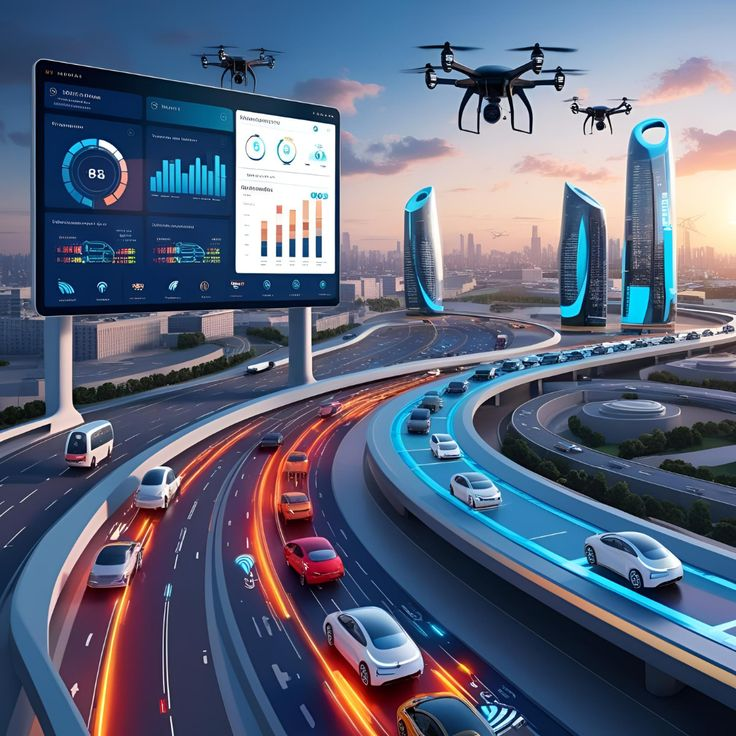
Transportation innovation includes electric vehicles, connected traffic systems, smart navigation, and driver-assistance technology.
Electric vehicles can reduce dependence on traditional fuel and may have lower maintenance requirements. Battery range, charging time, cost, and charging station availability remain important considerations.
Modern vehicles include parking assistance, navigation, emergency braking, and lane-alert systems. These features can support drivers but should not replace careful driving.
Cities are also using digital systems to manage traffic and public transport. Real-time travel updates can help passengers plan routes and reduce unnecessary delays.
Agricultural Innovation Supports Food Production
Technology is helping farmers manage crops, water, soil, and equipment more efficiently. Smart sensors can provide information about soil moisture, temperature, and weather conditions.
Drones may be used to inspect large farming areas and identify possible crop problems. Automated irrigation systems can provide water based on actual field requirements.
Data-based farming can reduce waste and improve productivity. Farmers can use digital information to decide when to plant, water, fertilize, or harvest crops.
However, agricultural technology should be affordable and easy to maintain. Training and reliable internet access may also be necessary for wider adoption.
Smart Home Products Are Becoming More Useful
Smart home innovation includes connected lights, security cameras, doorbells, thermostats, appliances, and voice-controlled assistants.
These devices allow users to manage home systems through mobile applications. Smart lights can be scheduled, while security cameras can send alerts when movement is detected.
Energy-monitoring devices may help households understand electricity usage. Smart thermostats and connected appliances can reduce unnecessary energy consumption.
Users should secure smart devices by changing default passwords and installing software updates. Products from unknown manufacturers may create privacy or security concerns.
Virtual Reality and Augmented Reality
Virtual reality creates a completely digital environment, while augmented reality adds digital information to the real world.
These technologies are used in gaming, education, professional training, shopping, tourism, and product design. Virtual simulations allow users to practise tasks without facing real-world risks.
Retailers can use augmented reality to help customers preview furniture, clothing, or other products before purchasing. Designers can also test concepts through digital models.
The future success of these technologies will depend on comfort, affordability, content quality, and user experience.
Innovation in Cybersecurity
As digital services expand, cybersecurity innovation is becoming increasingly important. Businesses and individuals need stronger protection against scams, data theft, and harmful software.
Security systems can use artificial intelligence to identify unusual activity and detect suspicious login attempts. Modern authentication methods may include fingerprints, facial recognition, and security keys.
Users should still follow basic safety practices. Strong passwords, two-factor authentication, regular updates, and careful browsing remain essential.
Cybersecurity solutions must continue improving because online threats are also becoming more advanced.
Startups and Entrepreneurship
Startups often introduce innovative products by solving specific problems in new ways. They may develop mobile applications, digital platforms, sustainable products, or specialized services.
Entrepreneurs usually begin by identifying a customer need. They then test an idea, collect feedback, and improve the product before expanding.
Digital tools have made it easier to start a business. Entrepreneurs can build websites, promote services, accept payments, and communicate with customers online.
However, innovation alone does not guarantee success. A strong business model, reliable customer support, proper financial planning, and clear market demand are also necessary.
Challenges of Modern Innovation
Innovation offers many benefits, but it also introduces challenges. New technologies may create privacy risks, security concerns, high costs, and changes in employment.
Some products are introduced before they have been properly tested. This can result in technical problems, poor user experiences, or safety concerns.
Digital inequality is another issue. People without reliable internet access, modern devices, or technical skills may not benefit equally from innovation.
Businesses and governments should focus on accessibility, training, transparency, and responsible development. Innovation should improve people’s lives rather than create unnecessary problems.
The Future of Innovation
Future innovation is expected to focus on intelligent systems, sustainable solutions, advanced healthcare, connected devices, and improved digital services.
Artificial intelligence may become more integrated into homes, businesses, vehicles, and educational platforms. Robotics may support manufacturing, agriculture, logistics, and dangerous industrial work.
Renewable energy and battery storage are also likely to remain major areas of development. Better energy systems can support electric transportation and reduce dependence on limited resources.
Successful innovation will depend on trust, affordability, security, and usefulness. Products that solve real problems are more likely to create lasting value.
Conclusion
Innovation News shows how new ideas and technologies are shaping business, healthcare, education, transportation, agriculture, finance, and daily life. Artificial intelligence, automation, sustainable technology, smart devices, and digital platforms are creating valuable opportunities.
Staying informed about innovation helps people understand emerging tools and prepare for future changes. Businesses can use new solutions to improve efficiency, while individuals can develop skills that support education and employment.
Innovation should always be supported by responsible planning, strong security, accurate information, and human supervision. When technology is developed carefully, it can solve important problems and contribute to a smarter, safer, and more sustainable future.