
Introduction
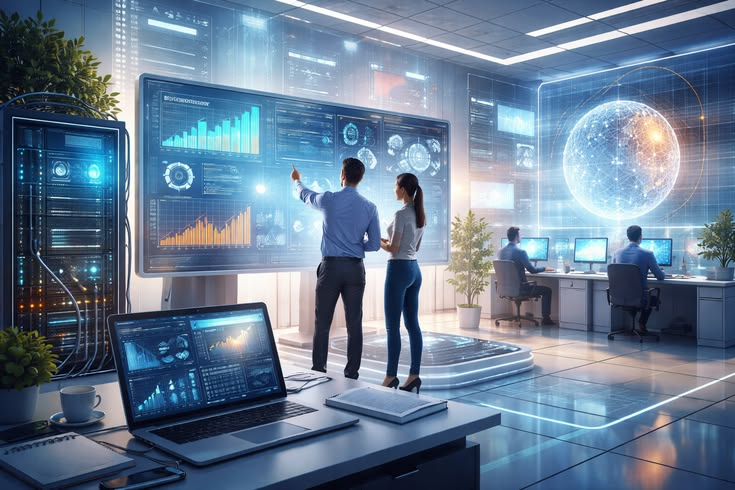
Tech Updates help readers understand the latest changes taking place in the fast-moving digital world. Technology is improving almost every part of modern life, including communication, education, healthcare, business, transportation, entertainment, and online security.
New devices, software features, artificial intelligence tools, and digital platforms are introduced regularly. These developments can improve productivity and convenience, but users need accurate information to understand their benefits, limitations, and potential risks.
Keeping up with technology updates is useful for students, professionals, business owners, developers, marketers, and everyday internet users. This article covers important developments in artificial intelligence, smartphones, software, cybersecurity, cloud computing, smart devices, digital payments, and emerging technologies.
Artificial Intelligence Is Advancing Rapidly
Artificial intelligence remains one of the most important areas of technological development. AI tools can now generate written content, create images, summarize documents, analyze information, translate languages, and assist users with everyday tasks.
Businesses use artificial intelligence to automate repetitive work, improve customer support, analyze customer behaviour, and create personalized recommendations. AI-powered chatbots can answer common questions, while automated systems can organize data and identify useful patterns.
Students and professionals also use AI tools for research, brainstorming, writing assistance, coding support, and productivity. However, users should always review AI-generated information because automated tools can sometimes produce incorrect or outdated answers.
Responsible AI use is becoming increasingly important. Companies must focus on transparency, privacy, data protection, and fairness while developing and using intelligent systems.
Smartphone Technology Continues to Improve
Smartphones are becoming more powerful with every new generation. Manufacturers are improving processors, cameras, batteries, displays, charging speed, security, and software features.
Modern phone cameras offer better low-light photography, improved zoom, image stabilization, and AI-supported editing. These features allow users to capture high-quality photos and videos without carrying professional camera equipment.
Battery performance is another major focus. Energy-efficient processors and fast-charging systems help users operate their devices for longer periods. Some devices also include intelligent battery management that controls background applications and reduces unnecessary power consumption.
Foldable phones are also gaining attention. They provide larger screens while remaining portable. Although they can be expensive, improvements in design and durability may make foldable smartphones more popular.
Software Updates Improve Device Performance
Software updates are necessary for keeping devices secure, stable, and compatible with modern applications. Operating systems, mobile apps, web browsers, and security tools receive regular updates to fix bugs and improve functionality.
Security patches are especially important because they protect devices from newly discovered vulnerabilities. Delaying updates may leave a phone, computer, or application exposed to cyber threats.
Major software updates can introduce redesigned interfaces, improved privacy controls, new accessibility features, and better performance. Users should read update details before installation to understand the changes.
It is also recommended to back up important files before installing a major system update. A stable internet connection, sufficient storage space, and enough battery power can help prevent installation problems.
Cybersecurity Threats Are Increasing
Cybersecurity is becoming more important as people store more personal and financial information online. Hackers may use phishing emails, fake websites, harmful downloads, weak passwords, and social engineering to steal sensitive data.
Using strong and unique passwords can reduce the risk of account theft. People should avoid using the same password on multiple websites because one security breach could affect several accounts.
Two-factor authentication adds another layer of protection. It requires users to provide a second verification method, such as a code sent to their phone or generated by an authentication app.
Users should also avoid clicking unknown links or downloading files from untrusted sources. Keeping antivirus software, operating systems, and browsers updated can improve protection against online threats.
Cloud Computing Supports Digital Work
Cloud computing allows users to store files, run applications, and access digital services through the internet. It has become essential for remote work, online collaboration, data backup, and business management.
Cloud platforms enable employees to work on shared documents from different locations. Teams can communicate, manage projects, attend virtual meetings, and access important information without being physically present in the same office.
Businesses use cloud services to host websites, manage customer records, run software, and store large amounts of data. Cloud solutions can reduce hardware costs and make it easier for companies to expand their operations.
However, organizations should carefully manage access permissions. Strong passwords, secure backups, encryption, and trusted cloud providers are important for protecting sensitive business information.
Smart Home Devices Are Becoming Common
Smart home technology includes connected lights, security cameras, speakers, doorbells, thermostats, plugs, and household appliances. These devices can be controlled through mobile apps, remote controls, or voice commands.
Smart lighting systems allow users to adjust brightness, schedule operating times, and reduce unnecessary electricity usage. Security cameras and smart doorbells can send notifications when movement is detected.
Smart thermostats may help reduce energy consumption by automatically adjusting temperature settings. Connected appliances can also provide maintenance alerts and usage information.
Although smart home devices offer convenience, they must be properly secured. Users should change default passwords, install firmware updates, and avoid connecting unknown devices to their home network.
Digital Payment Technology Is Expanding
Digital payments have made online shopping and money transfers faster and more convenient. Mobile wallets, contactless cards, banking apps, QR payments, and online payment gateways are now widely used.
Businesses can accept digital payments without relying entirely on cash. Customers can pay bills, purchase products, book services, and send money directly from their smartphones.
Biometric security, such as fingerprint scanning and facial recognition, is increasingly used to confirm transactions. These features can improve convenience, but users should still protect their banking details and login information.
People should avoid making sensitive transactions on public Wi-Fi networks. They should also verify website addresses before entering card details or one-time passwords.
Wearable Technology Supports Daily Activities
Wearable devices include smartwatches, fitness trackers, smart rings, and connected health-monitoring products. These devices help users track activity, sleep, exercise, heart rate, and notifications.
Smartwatches can display messages, manage calls, provide navigation, and support digital payments. Fitness trackers can motivate users by showing their progress toward daily activity goals.
Wearable devices are also becoming more stylish and comfortable. Manufacturers are improving battery life, display quality, sensors, and connectivity.
Health information from wearable devices can be useful for general awareness, but it should not replace professional medical advice. Users should also review privacy settings because these devices may collect personal data.
Social Media Platforms Are Introducing New Features
Social media platforms regularly release updates to improve communication, content discovery, advertising, and creator tools. Short-form videos, live streaming, shopping features, and community groups are becoming more popular.
Businesses use social media to promote services, communicate with customers, and build brand awareness. Content creators use editing tools, analytics, and monetization features to reach larger audiences.
Privacy remains a major concern. Users should review who can view their content, send messages, or access personal information.
Screen-time controls and notification settings can help users maintain a healthier relationship with social media. Balanced use can reduce distractions and improve focus.
Electric Vehicles and Smart Transportation
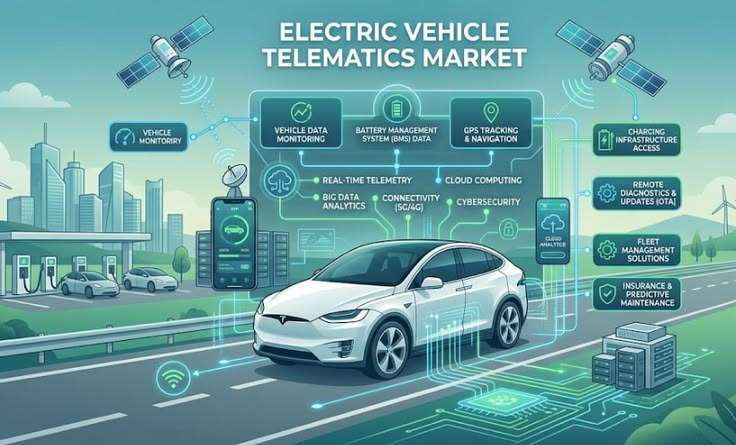
Technology is transforming transportation through electric vehicles, driver-assistance systems, smart navigation, and connected traffic solutions.
Electric vehicles can reduce fuel consumption and may have lower maintenance costs. Battery capacity, charging speed, vehicle price, and charging station availability are important factors for buyers.
Modern vehicles include features such as parking assistance, lane alerts, emergency braking, and real-time navigation. These systems can support drivers, but they do not remove the need for careful driving.
Smart traffic management systems can analyze road conditions and help reduce congestion. Public transportation apps also provide live schedules, route updates, and digital ticketing.
Virtual and Augmented Reality Developments
Virtual reality creates a fully digital environment that users can explore through a headset. It is commonly used in gaming, education, training, tourism, and product demonstrations.
Augmented reality adds digital objects or information to the real world through a smartphone camera or special glasses. Shopping apps may use augmented reality to show how furniture, clothing, or products could look before purchase.
These technologies can also improve professional training. Employees can practise complex tasks in simulated environments without facing real-world risks.
As devices become lighter and more affordable, virtual and augmented reality may become more common in homes, classrooms, and workplaces.
Future Technology Trends
Future technology is expected to become more intelligent, connected, and automated. Artificial intelligence may become a standard feature in smartphones, search engines, vehicles, homes, and workplace software.
Faster internet connections will support online gaming, remote education, digital healthcare, and real-time collaboration. Robotics may become more useful in manufacturing, agriculture, delivery, and hazardous working environments.
Sustainable technology will also remain an important priority. Companies are developing energy-efficient devices, recyclable materials, renewable energy systems, and environmentally responsible manufacturing methods.
The most successful technologies will likely be those that are useful, secure, affordable, accessible, and easy to understand.
Conclusion
Tech Updates provide valuable information about the devices, software, platforms, and digital trends shaping modern life. Artificial intelligence, smartphones, cybersecurity, cloud computing, smart homes, digital payments, wearable devices, and electric vehicles continue to create new possibilities.
Staying informed helps users choose suitable products, protect their personal information, improve productivity, and understand emerging opportunities. It also allows businesses to adapt their strategies and remain competitive in a rapidly changing digital environment.
Technology will continue to develop, but responsible use will remain essential. By following reliable updates and learning new digital skills, users can benefit from innovation while reducing security, privacy, and misinformation risks.