
Introduction
Technology Trends are changing how people communicate, work, study, shop, travel, and manage daily responsibilities. New digital tools are being introduced rapidly, helping individuals and businesses complete tasks more efficiently and access information more easily.
Artificial intelligence, cloud computing, smart devices, cybersecurity, automation, and digital payments are among the major developments influencing modern society. These technologies create valuable opportunities, but they also introduce concerns related to privacy, security, employment, and responsible use.
Understanding current technology developments helps users make informed decisions, improve their digital skills, and prepare for future changes. This article explores the most important trends shaping the technology industry and explains how they may affect businesses and everyday users.
Artificial Intelligence and Machine Learning
Artificial intelligence is one of the most influential developments in modern technology. AI systems can process large amounts of information, identify patterns, generate content, and support automated decision-making.
Businesses use artificial intelligence to improve customer service, analyze market behaviour, manage inventory, detect fraud, and personalize recommendations. AI-powered chatbots can answer common customer questions, while intelligent software can automate repetitive administrative work.
Machine learning is a major part of artificial intelligence. It allows computer systems to improve their performance by studying data and previous outcomes. This technology is commonly used in search engines, recommendation systems, online advertising, and security platforms.
Individuals also use AI tools for writing, research, image creation, coding, translation, and productivity. However, AI-generated content should always be reviewed because automated systems may produce inaccurate or misleading information.
Cloud Computing and Remote Access
Cloud computing allows users to access files, software, and digital services through the internet instead of depending entirely on a local computer or physical storage device.
Businesses use cloud platforms to host websites, store information, manage customer records, run applications, and support remote employees. Team members can work on shared documents and communicate from different locations.
Cloud services can reduce hardware costs because companies do not always need to maintain expensive physical servers. They can also increase or reduce their digital resources according to business requirements.
Data security remains an important consideration. Businesses should choose reliable cloud providers, manage user permissions, use strong authentication, and maintain regular backups.
Cybersecurity and Online Protection
Cybersecurity has become increasingly important as more personal, professional, and financial activities take place online. Cybercriminals may use phishing emails, fake websites, harmful software, or stolen passwords to access sensitive information.
Businesses are investing in security systems that detect unusual activity and protect digital networks. Artificial intelligence is also being used to identify suspicious login attempts and possible cyber threats.
Users can improve their online safety by creating strong and unique passwords for different accounts. Two-factor authentication should also be enabled whenever possible.
Software updates are equally important because they often include security patches. Ignoring updates may leave devices vulnerable to known security problems.
Internet of Things and Connected Devices
The Internet of Things refers to physical devices that connect to the internet and communicate with other systems. Examples include smart lights, security cameras, fitness trackers, household appliances, and industrial sensors.
Smart home devices allow users to control lighting, temperature, security, and appliances through mobile applications or voice commands. These systems can improve convenience and reduce unnecessary energy consumption.
Businesses use connected sensors to monitor equipment, manage deliveries, track inventory, and reduce maintenance costs. In agriculture, smart devices can monitor soil conditions, weather, and water usage.
Connected technology also creates privacy risks. Users should change default passwords, install device updates, and avoid purchasing products from unknown manufacturers.
Automation and Robotics
Automation uses software or machines to complete tasks with limited human involvement. It is increasingly used in manufacturing, customer service, transportation, marketing, and office administration.
Factories use robotic systems to assemble products, package goods, and perform repetitive tasks. These machines can operate accurately and may reduce workplace risks in hazardous environments.
Businesses also use software automation to schedule emails, organize records, process invoices, and manage customer enquiries. This helps employees focus on tasks that require creativity, judgement, and communication.
Automation may change certain job responsibilities, but it can also create new opportunities. Workers who develop technical, analytical, and problem-solving skills may be better prepared for automated workplaces.
Smart Devices and Wearable Technology
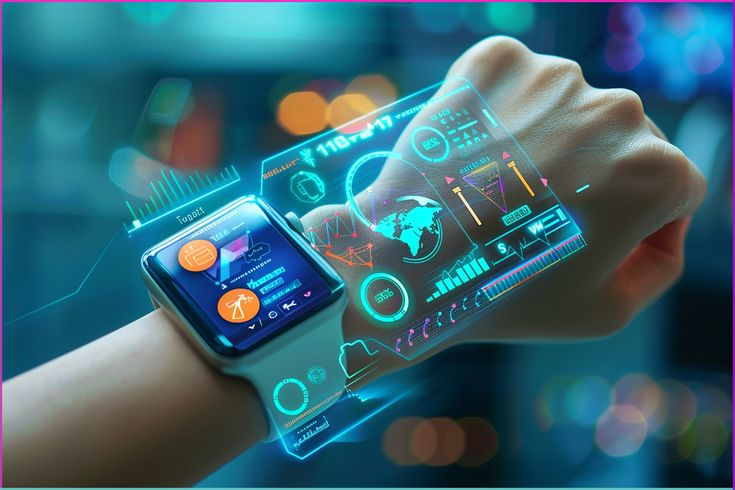
Smart devices are becoming more advanced, affordable, and useful. Smartphones, smartwatches, fitness trackers, smart rings, and connected home products are now part of everyday life.
Wearable technology can track physical activity, sleep patterns, exercise, heart rate, and mobile notifications. Smartwatches can also support calls, navigation, digital payments, and calendar reminders.
Modern smartphones include powerful processors, advanced cameras, fast charging, and AI-supported features. Many devices now offer tools for photo editing, translation, voice recognition, and productivity.
Users should review privacy settings because smart devices may collect personal information. Health data from wearable devices should also be treated as general information rather than professional medical advice.
Digital Payments and Financial Technology
Digital payment technology has changed how people purchase products, pay bills, and transfer money. Mobile wallets, banking applications, contactless cards, QR payments, and online payment gateways are widely used.
Financial technology helps businesses accept payments quickly and manage transactions more efficiently. Small companies can sell products online without building expensive payment systems.
Biometric verification, such as fingerprint scanning and facial recognition, is increasingly used to confirm transactions. These features can improve security and convenience.
Users should never share banking PINs, passwords, or one-time verification codes. They should also verify website addresses before entering payment information.
Virtual Reality and Augmented Reality
Virtual reality creates a fully digital environment that users can explore through a headset. Augmented reality adds digital objects or information to the real world through a phone camera or smart glasses.
These technologies are commonly associated with gaming, but their uses are expanding. Schools can provide interactive learning experiences, while businesses can offer virtual product demonstrations.
Virtual reality can also support professional training. Employees can practise complex tasks in simulated environments without facing real-world dangers.
Augmented reality is useful in shopping, design, navigation, and maintenance. Customers can preview furniture inside their homes or see how products may look before making a purchase.
Faster Connectivity and Advanced Networks
Faster internet connections are supporting new digital services and improving online experiences. High-speed networks allow users to stream videos, attend virtual meetings, play online games, and access cloud applications more smoothly.
Businesses benefit from reliable connectivity because employees can communicate and share information without significant delays. Faster networks also support connected factories, smart cities, remote healthcare, and automated transportation.
Improved connectivity may help provide digital services in areas where traditional infrastructure is limited. However, affordable access and network availability remain important challenges.
Security must also improve as more devices become connected. Every new connection can create a potential entry point for cyber threats.
Sustainable and Green Technology
Sustainable technology focuses on reducing energy consumption, electronic waste, and environmental damage. Companies are developing energy-efficient devices, recyclable materials, and cleaner production methods.
Renewable energy technologies, including solar and wind power, are becoming more important. Improved battery systems can store energy and support electric vehicles, homes, and businesses.
Technology companies are also working to reduce the environmental impact of data centres. Energy-efficient servers and improved cooling systems can lower electricity consumption.
Consumers can support sustainability by using devices for longer periods, repairing products when possible, and recycling electronics through responsible programmes.
Blockchain and Secure Digital Records
Blockchain is a system for recording information across a distributed network. It is commonly connected with digital currencies, but its possible applications extend beyond financial transactions.
Businesses are exploring blockchain for supply-chain tracking, digital identity, secure contracts, and record management. Since information is stored across multiple locations, unauthorized changes may be more difficult.
Blockchain can improve transparency in situations where several organizations need access to the same records. However, it is not suitable for every business problem.
Organizations should carefully consider cost, energy usage, privacy, and technical requirements before adopting blockchain-based systems.
Data Analytics and Personalized Experiences
Data analytics allows businesses to study large amounts of information and identify useful patterns. Companies use analytics to understand customer behaviour, improve products, and make better decisions.
Online platforms can personalize recommendations based on a user’s previous activity. Streaming services suggest videos, while shopping websites recommend products based on browsing history.
Personalization can improve the user experience, but companies must handle personal information responsibly. Clear privacy policies and secure data storage are necessary.
Users should understand which information is being collected and adjust privacy settings when necessary.
Technology Skills and Digital Education
Digital skills are becoming essential in education and employment. Basic knowledge of online safety, cloud software, data management, and artificial intelligence can improve productivity.
Students can benefit from learning coding, digital research, presentation software, and responsible internet use. Professionals can strengthen their careers by studying cybersecurity, automation, digital marketing, and data analysis.
Continuous learning is important because technology changes rapidly. Online courses, official tutorials, practical projects, and industry publications can help people remain informed.
Technical knowledge is valuable, but communication, creativity, leadership, and critical thinking also remain important in technology-focused workplaces.
Future Technology Developments
Future digital systems are expected to become more intelligent, connected, and personalized. Artificial intelligence may become a standard feature in vehicles, homes, workplaces, and mobile devices.
Robotics may support agriculture, manufacturing, healthcare, delivery services, and dangerous industrial work. Smart cities may use connected systems to improve transportation, energy use, and public services.
Quantum computing is another developing area that may eventually help solve complex problems more quickly. However, widespread practical use may require further research and development.
The most successful future technologies will likely be those that provide clear benefits while protecting users, personal data, and the environment.
Conclusion
Technology Trends show how innovation is reshaping businesses, workplaces, homes, education, transportation, and communication. Artificial intelligence, cloud computing, cybersecurity, automation, connected devices, digital payments, and sustainable technology are creating new opportunities.
Following technology developments helps users understand new tools, protect their information, and make better decisions. Businesses can also use modern technology to improve productivity, customer service, and long-term growth.
However, innovation should be supported by strong security, privacy protection, responsible data use, and human supervision. People who continue learning and adapting will be better prepared to benefit from the rapidly changing digital future.